REconnecting through art and nature.
A Common Language
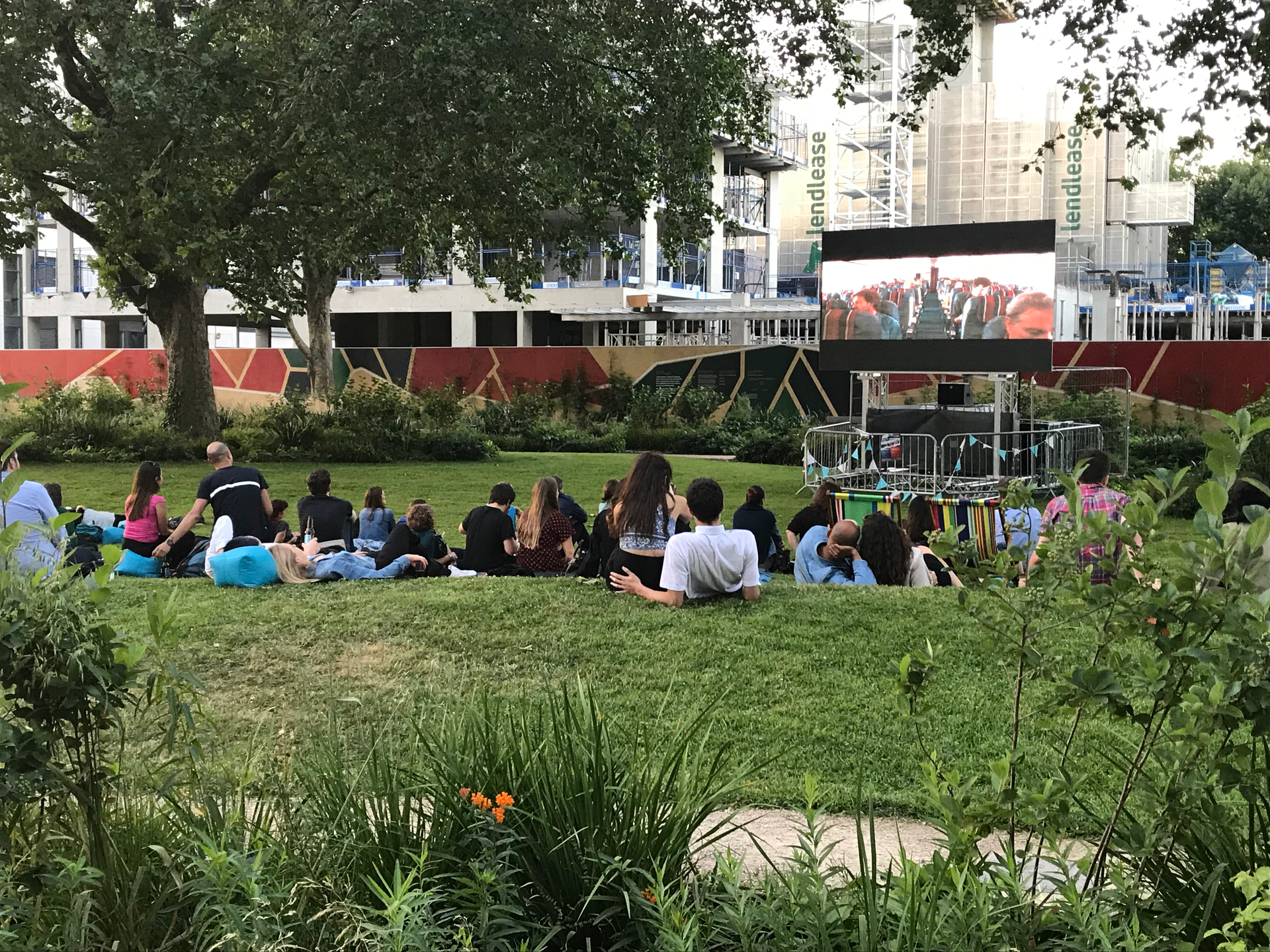
Nature has always run through our work. Outdoor festivals on riverbanks and in woodlands, art in public squares, and — back in 2012 — joining the Chelsea Fringe steering committee as it launched. The Fringe was a deliberately scrappy alternative to the Chelsea Flower Show: pop-up gardens on power station forecourts, guerrilla planting, evenings among the bees at Lambeth Palace, a floating park on the Grand Union Canal. The point wasn't to compete with the RHS. It was to gather people around the wilder, more curious horticulture happening across London — and to let plants do what they so often quietly do: bring strangers into conversation with each other.
Nearly fifteen years on, that instinct still shapes a lot of what we do. Not because we set out to be a "green" agency, but because the projects we love most almost always lead us back to the same territory: the seam between nature and culture, and what becomes possible when the two are allowed to talk to each other.
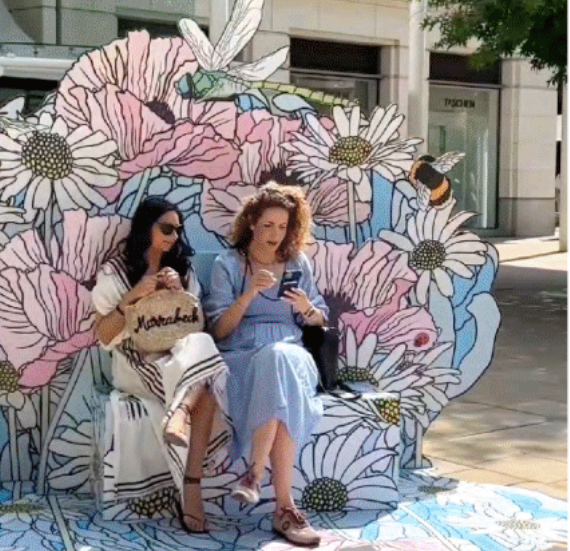
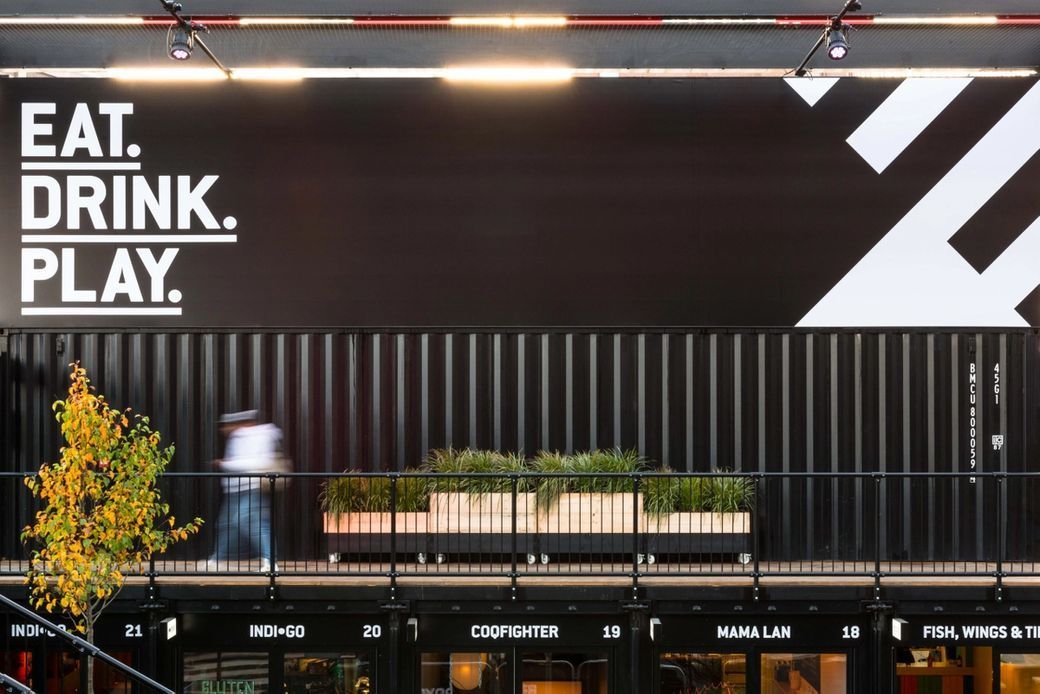
This month, that thread is everywhere. Chelsea in Bloom (18–24 May) turns 21 with its 'Out of this World' theme. More than 145 Chelsea businesses transforming their frontages with floral dragons, UFOs and constellations across Sloane Square, the King's Road and Pavilion Road. Free, ambitious, joyful — and now a fixture of the season. Like the best festivals, it works because nobody needs a translation. Flowers speak.
Across the Channel, where we spend much of our year, the Villes et Villages Fleuris programme has been doing similar work, more quietly, since 1959. Nearly 4,700 French communes carry the label, awarded for their commitment to plant life, biodiversity and the quality of shared space. Over the decades the criteria have shifted — away from showy bedding, toward perennial planting, native species, ecological care, and community involvement. Communities, in other words, learning to garden with nature rather than against it.
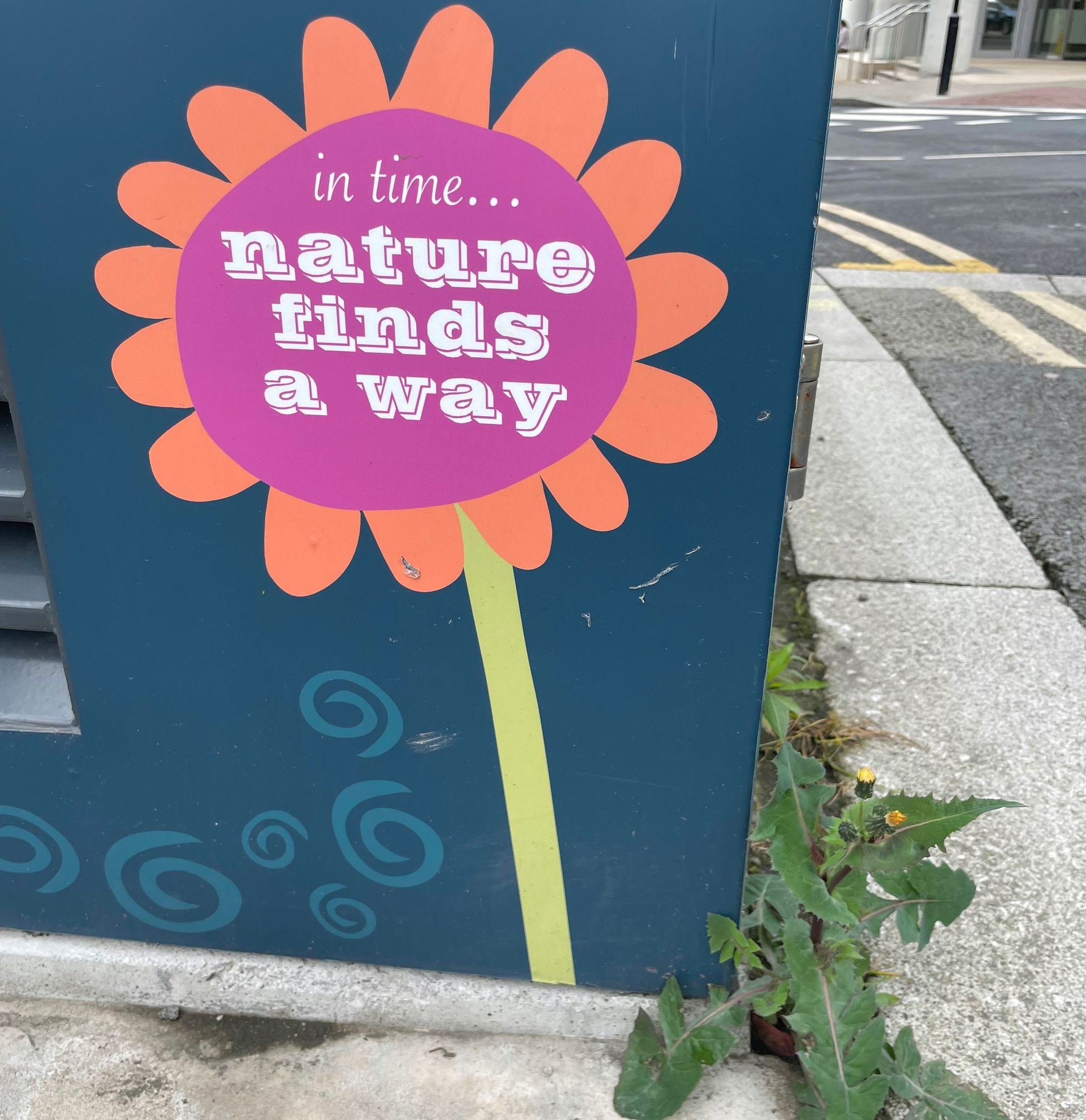
That shift feels important. It's a small example of something bigger happening across the work we follow: a move away from the idea that nature is something to be controlled, and toward the idea that it's a collaborator. Nature, of course, always finds a way — a crack in the pavement, a self-seeded rose, a fox curled up in a city garden, a river quietly insisting on its old course. It's probably the most creative force we have. The question increasingly isn't how we hold it back, but how we embrace it, work alongside it, and let some of its creativity into our own.
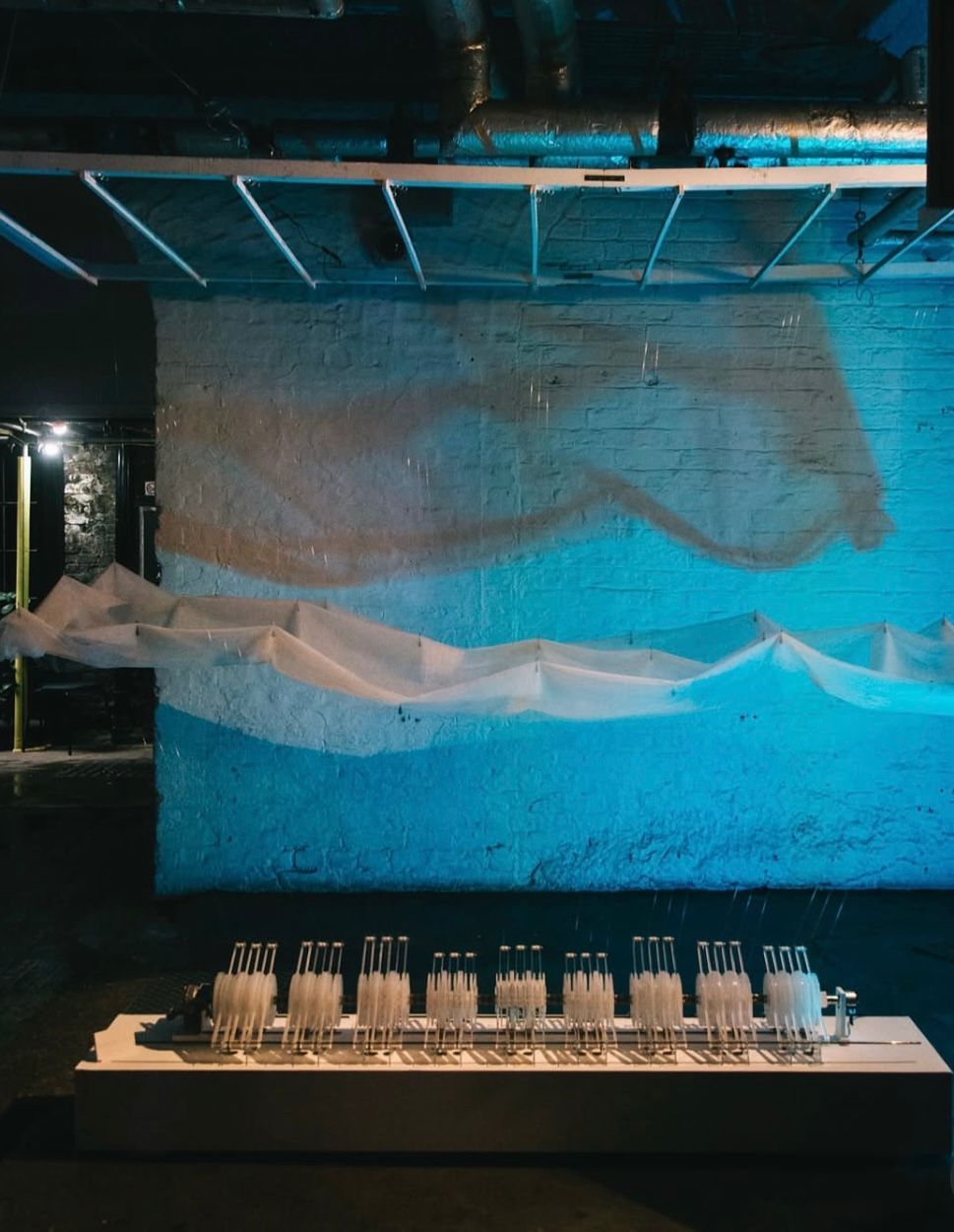
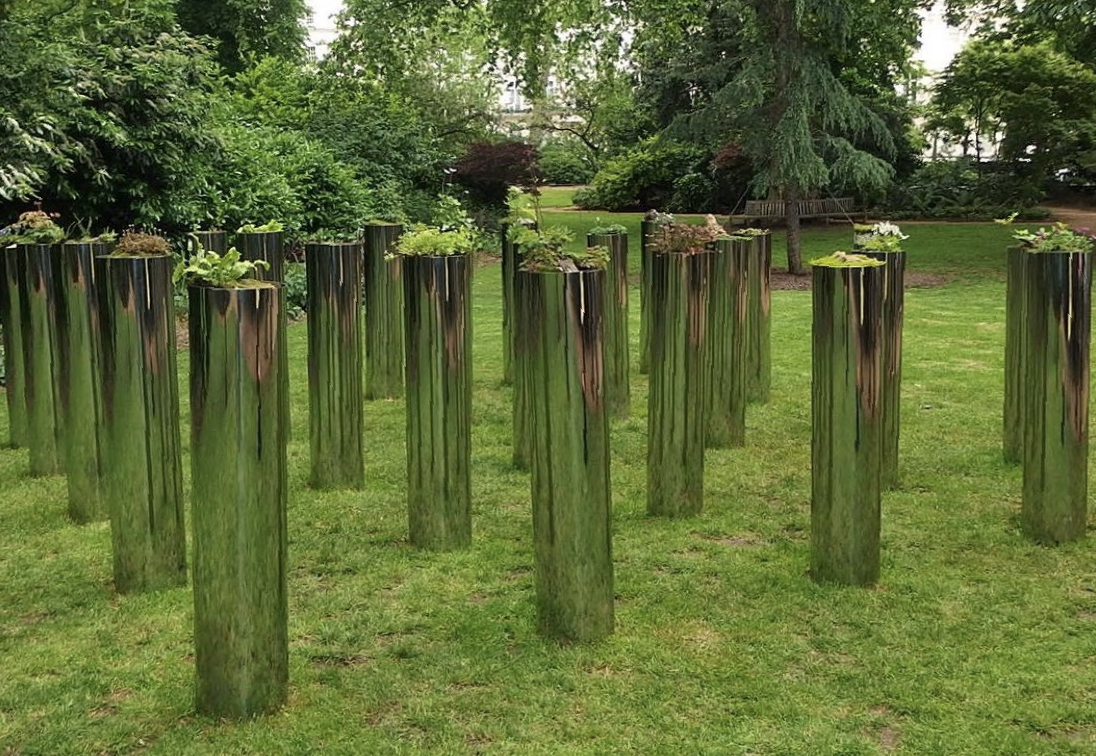
We see this in the work of creatives too. Proposition Studios brings creatives, scientists and ecologists into conversation around the human as part of ecology — their recent exhibition After Nature a lovely example of work made with place rather than just about it.
The Wilderness Art Collective gathers painters, sculptors, filmmakers, designers and writers around our relationship with landscape and what creative work can do to help us care; their shows — Landlines, Wilderness for the Mind, Waterlines — have a way of slowing audiences down and asking them to notice. And in Devon, the Sharpham Trust is rewilding 550 acres on the banks of the River Dart alongside an arts and retreats programme — getting out of the way, beautifully, and letting the land remember itself.
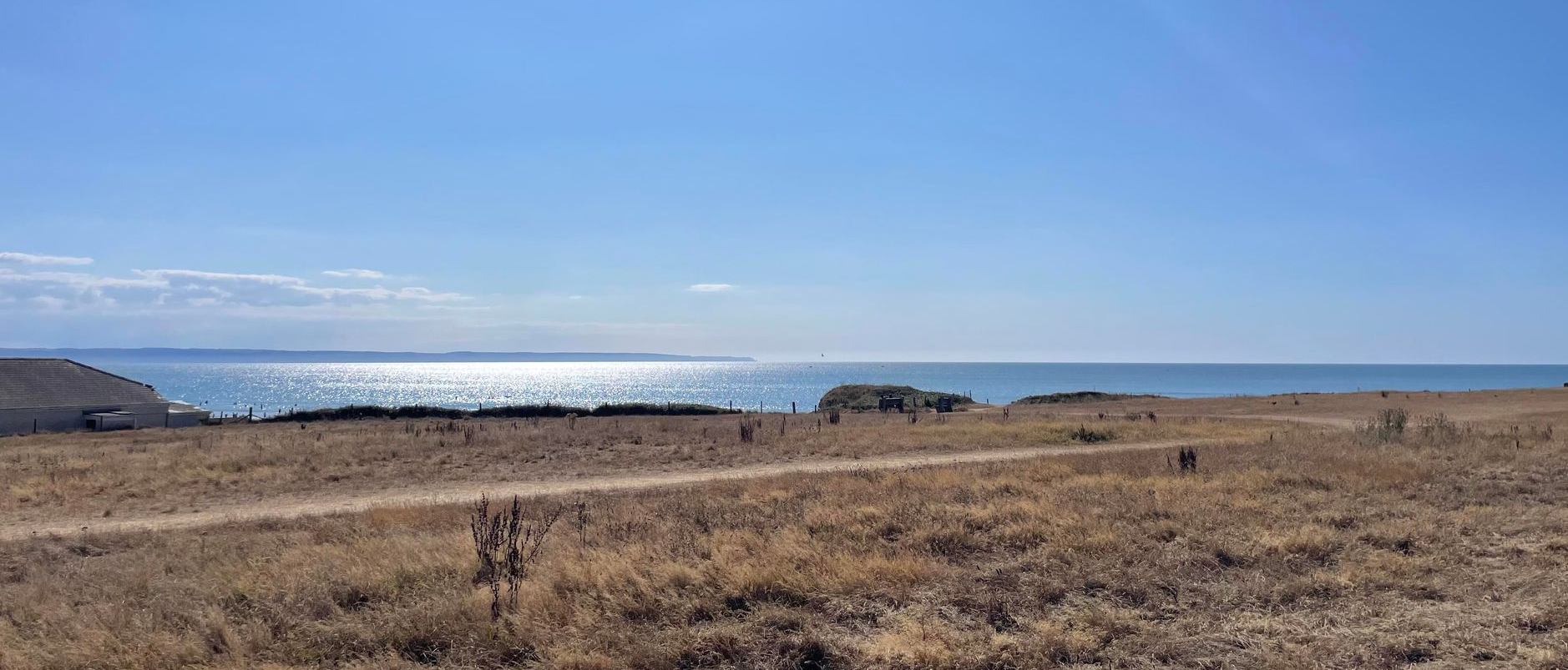
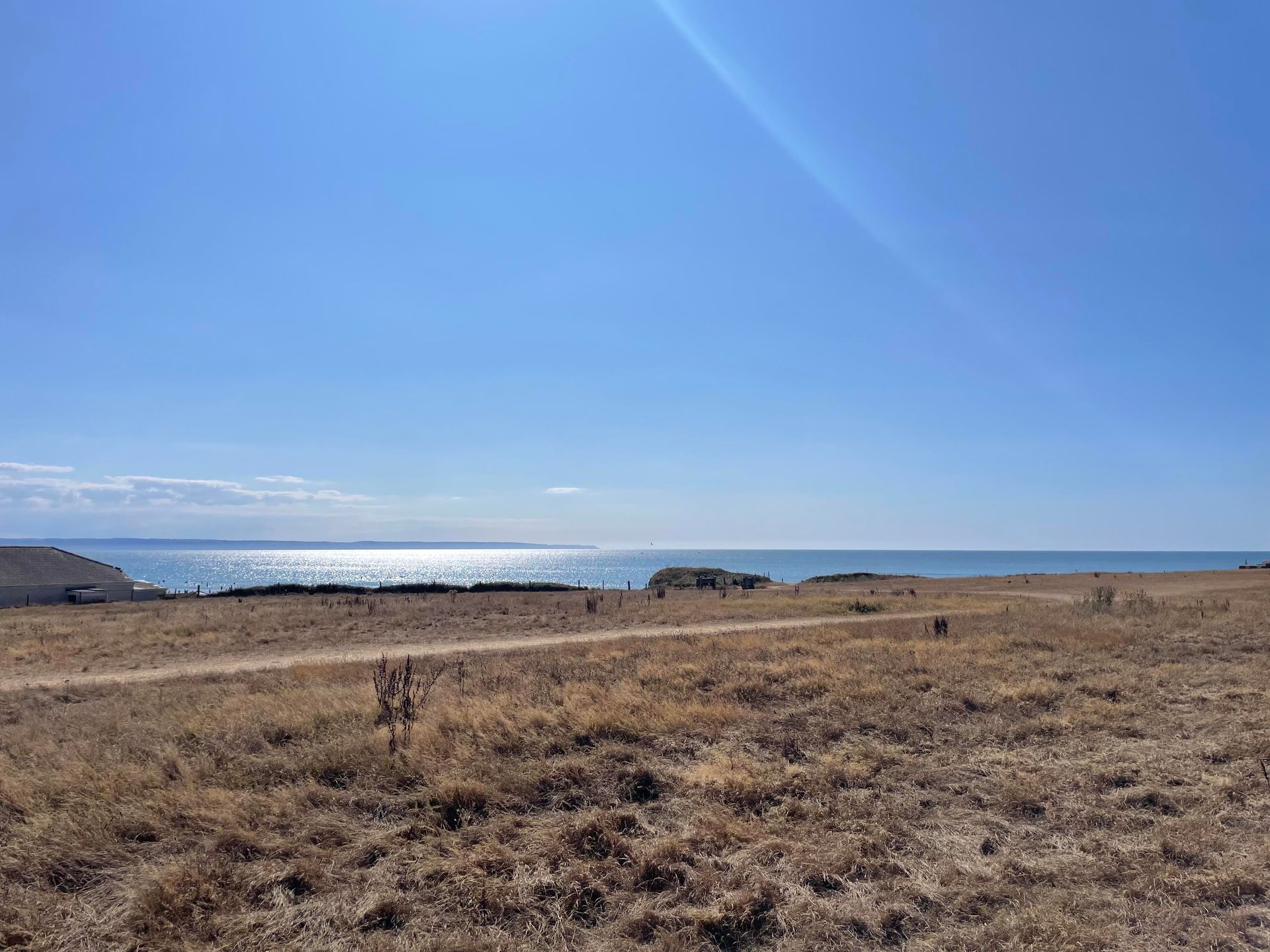
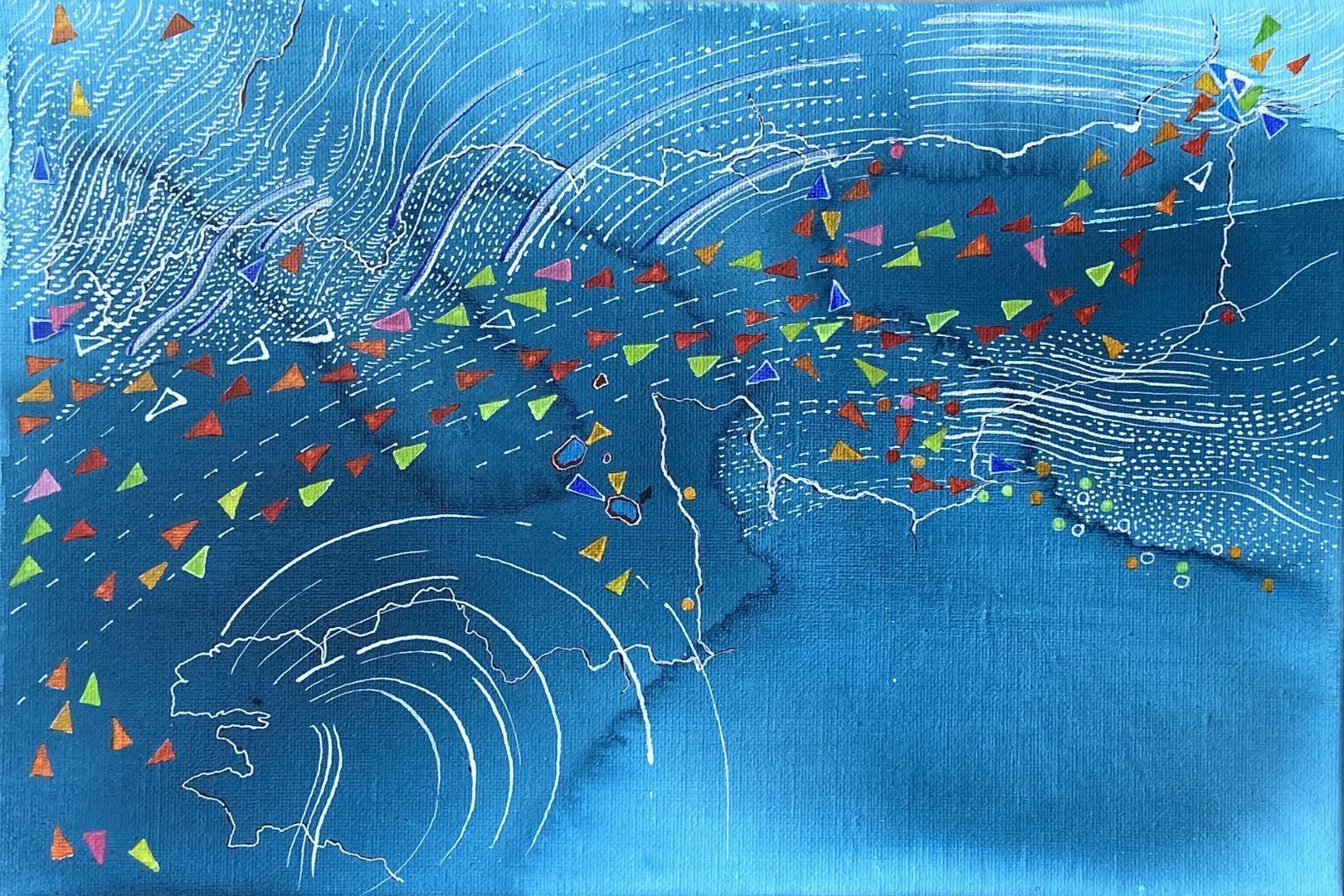
What ties all of this together, for us, is a refusal to treat nature as backdrop — and an openness to what happens when we stop fighting it. Whether it's a Chelsea shopfront, a labelled French village, an exhibition in a rewilded gallery, a coastline drawn in ink, or an estuary near the South Hams, the most interesting work right now is happening where nature and culture sit alongside each other, doing their work together. Both, in their own way, are universal languages. Both have a remarkable capacity to bring strangers together — into the same street, the same conversation.
It's a conversation we love being part of. So if you can this month: go and see something growing. Walk a Chelsea in Bloom route. Notice a Ville Fleurie sign at the edge of a village. Sit by an oak tree for ten quiet minutes.
The reconnection — to nature, to each other, to where we live — is small, repeatable, and surprisingly powerful.