Culture, Nature, and our urban creative health…

Designing for Culture, Nature and Wellbeing.

In cities across the UK and around the world, health systems are increasingly recognising that wellbeing isn’t only created in clinics...

Arts, culture, and engagement with nature are increasingly recognised as part of how we stay well—not just individually, but collectively. Social prescribing continues to grow, with people being referred to creative activities, cultural spaces, and time outdoors to support mental health and connection.  It’s a shift that feels long overdue, but there’s still a gap between what we know works, and what we’re actually building.


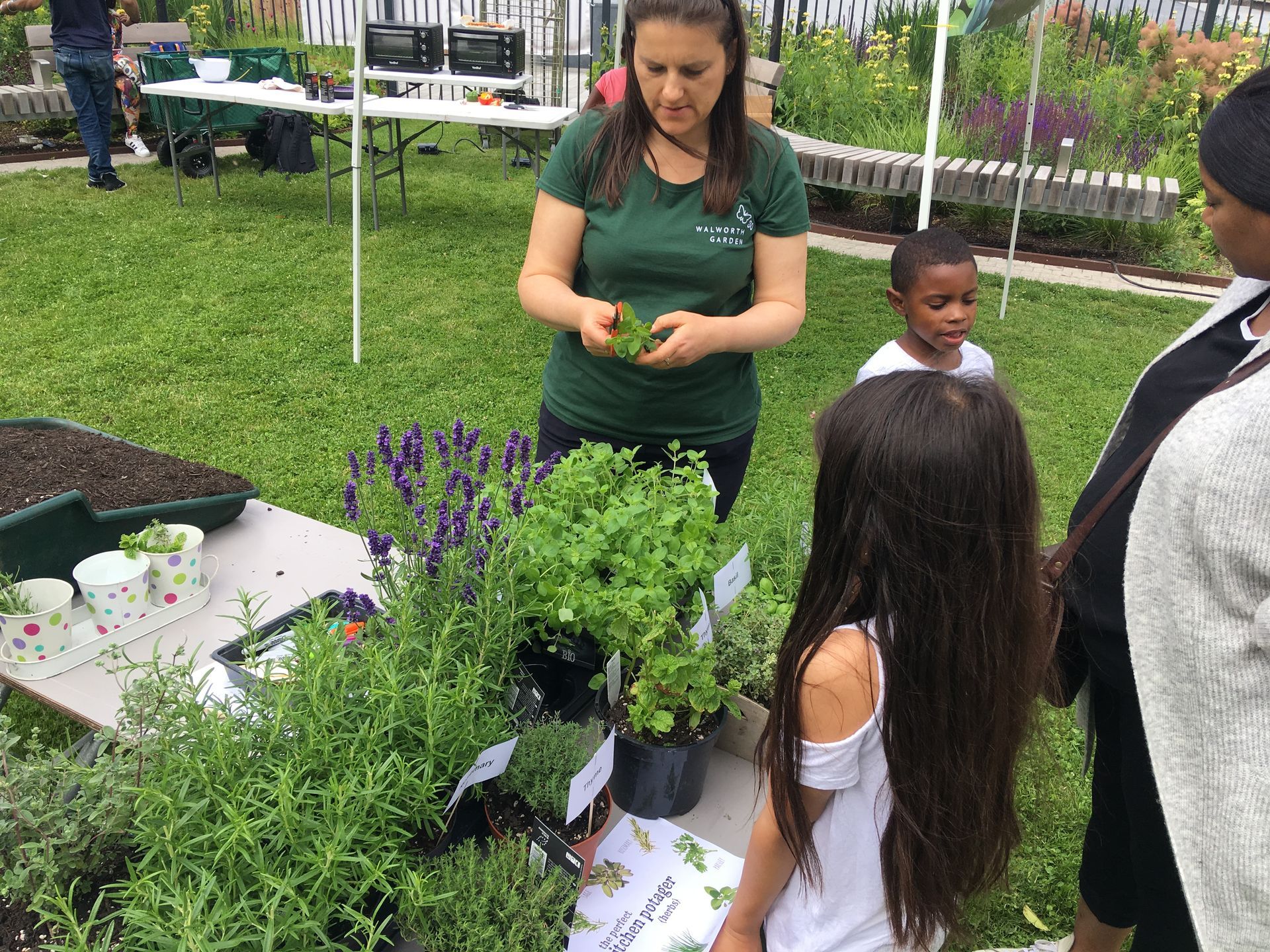
We KNOW that engaging with nature can reduce anxiety and depression, and that creative activity can strengthen social bonds and support mental health. However, this isn’t only about parks or formal arts venues, it’s about the everyday spaces in between:

  • places to sit, gather, and talk
  • somewhere for children to play
  • shared courtyards and gardens
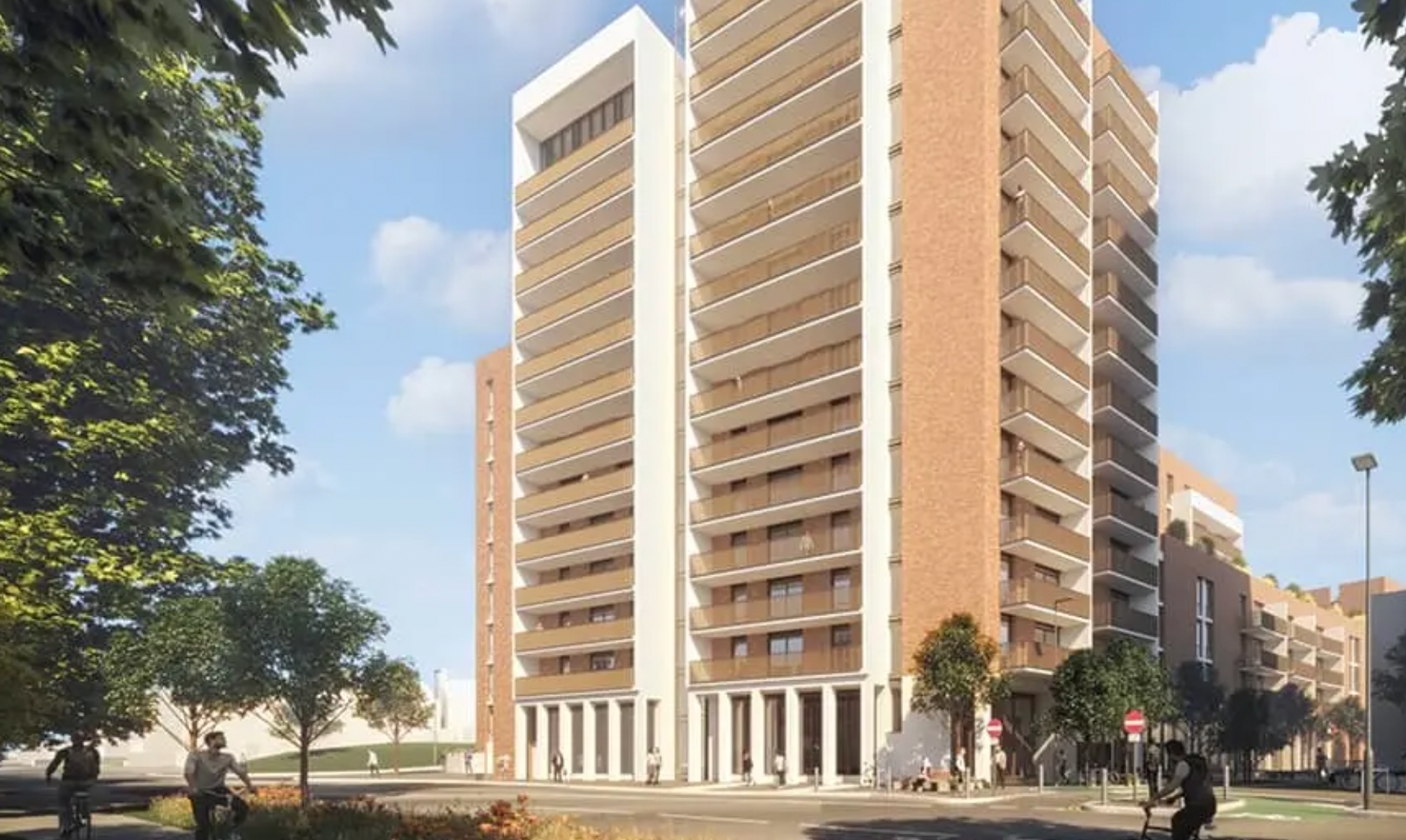
  • balconies and thresholds that open up to air, daylight, and planting
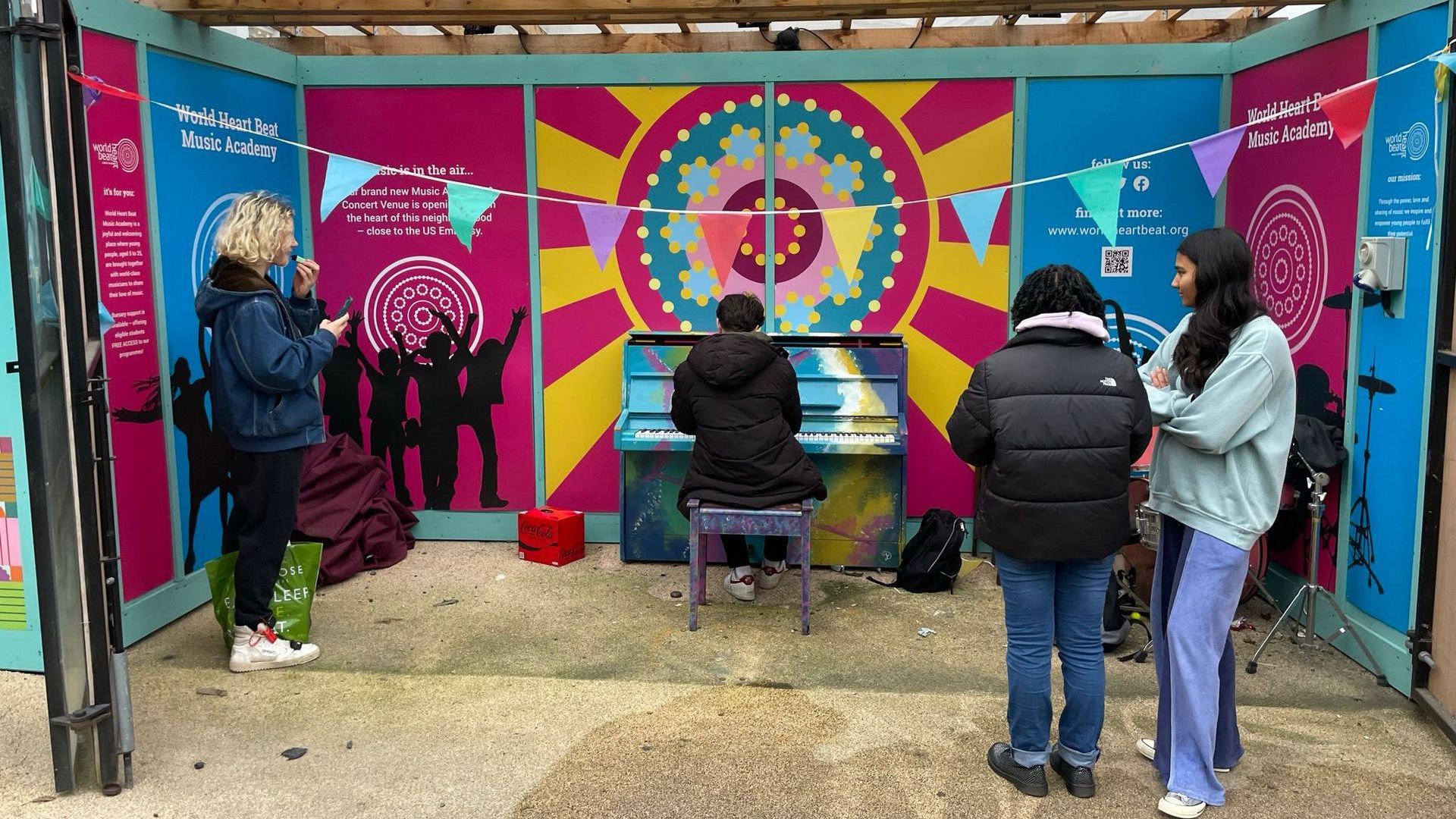
  • spaces that invite people to pause, create or connect over a shared interest

These are the places where wellbeing happens quietly, as part of daily life.


A GAP in how we plan

Even with all the evidence, these kinds of cultural connection spaces are still often treated as optional amenities rather than essential infrastructure. Yes, it's of course encouraging to see more people acknowlegding that art and green space 'must be valued as more than 'nice-to-haves' but, in most cases, they’re still the first to shrink when budgets tighten or land becomes more valuable. And yet, they’re exactly what makes social prescribing—and the wider creative health movement—even possible in practice!


The result? The very spaces needed to deliver social prescribing and creative health outcomes are inconsistently available and the same time, we’re seeing increasing emphasis on “placemaking”—on activation, programming, and meanwhile use.

When spaces aren’t designed to support gathering, creativity, or interaction with nature or cultural from the outset, these activities become harder to deliver—and even harder to sustain.


Design first, then activate.

When places are designed with culture, nature, and wellbeing in mind from the beginning, the programming becomes easier (and cheaper!), the activation feels more natural and use is more consistent—and more meaningful. Because the space already invites it.

In that sense, placemaking works best not as a layer added later, but as something embedded in the physical and social fabric of a place.


Looking further afield

It's fantastic to see The Greater London Authority is mapping and protecting cultural infrastructure as part of city growth and looking abroad other cities are starting to move in this direction. In Singapore, the “City in Nature” approach integrates greenery into everyday urban life.

And across Paris, Melbourne and Copenhagen, we’re seeing increasing integration of public space, culture, and nature—designed for participation as much as access.


Perhaps the shift is this:

Instead of asking “How do we activate this place?”, we start by asking “How will people spend time here?”

If we begin there, we naturally create spaces that support gathering, play, creativity, and connection to life.

And from that foundation, everything else—programming, cultural activity, community use—has somewhere to grow.
by Lucy Bawden 28 August 2026
August has that quality of the year holding its breath... Diaries thin out, inboxes slow, and even London, usually so relentless, has felt noticeably quieter this month. For a lot of us, August is when we swap the working city for somewhere slower. The countryside, the coast, a rented house in the middle of nowhere. The French have a phrase for it, la fermeture annuelle, which appears every August on the shuttered fronts of bakeries and butchers from Paris to Marseille. A whole society agreeing, more or less at the same time, to stop. Nobody thinks it strange. Nobody starves. The bakery reopens in September and everybody carries on. I've noticed recently how a break, often an enforced one, tends to turn out to be the best way forward. A project timeline that extends, a friend on gardening leave, a decision-maker unreachable for two weeks. Not dramatic full stops, and not doing-nothing time either, just the quieter workaday version of pause: the deliberate, small, well-placed kind that lets everything around it work better. I met a lawyer once who told me his real job was problem-solving, and that to do it properly he needed serious research time, which was really, he admitted, staring-out-of-the-window time. Billed at £400 an hour and quietly the most valuable thing he did all day. He is probably one of the better lawyers I've met... There's a version of this that runs through cultural strategy and the built environment: the strategic pause, the moment between phases where a client stops, looks around, and asks what did we actually learn from that? Placemakers and public artists have their own word for it, dwell time, the measure of whether a space actually invites people to stop, sit and linger. Fred Kent and the Project for Public Spaces school built the modern practice around it. A new generation of AI companions like Dwel are now measuring it in real time. Different words, same idea. A place that earns dwell time is a place that's working. Artists know all this more than most as a creative practice depends on breathing room, the empty hours and the walking that eventually becomes an idea. It's why most artists have some form of sketchbook, and why the best of them fill it with studies, notes and half-thoughts long before they touch a canvas. The sketchbook is the pause, the working-through, the aligning of thought before action. And it's occurred to us lately that play and pause, which we tend to talk about as opposites, are really the same thing wearing different clothes. Play is often a form of rest. Pause, done properly, is the moment the mind wanders and, in the wandering, starts to play. August is when much of our own pause work happens. Reviewing projects, catching up with associates, shaping the strategic and fundraising priorities that will carry the year through. If you're planning a cultural strategy, public art commission or placemaking programme for the last quarter or for 2027, or if you're at a project pause point and wondering how to make the most of it, we'd love to hear from you.  Pause isn't a break from the work. Very often, it's where the work actually starts.
29 July 2026
Play as method, play as place... Play has been the word we keep coming back to over the last few months. It's surfaced in projects, in conversations with clients, in strategic notes and in end-of-day debriefs — a small, deceptively simple word doing a surprising amount of work. Part of why it keeps working so hard is that it means something different to everyone. For one person, play is a football game win. For another, it's a quiet hour with a book, a festival crowd, a pop-up exhibition in a public square, a five-year-old and a stick. It stretches across ages, disciplines and moods. Not just play in the obvious sense — the infrastructure of it, in playgrounds, sports courts, concert halls and public realm. And not only play in culture — the festivals, gigs, community moments and shared experiences that give places their identity. But also play as a method — the space and time to experiment, make mistakes, try things without needing to know where they'll land. And, quietly underneath all of it, play as a way of exploring and discovering — new ideas, new places, new relationships. Getting to know a city we've never visited. Getting to know a person we've just met. Trying an approach at work we haven't tried before. Exploring, making, testing, imagining, discovering. Ingrained human needs, all of them. And all of them, in the end, come back to that one simple word. There's a growing body of thinking that treats play as serious infrastructure. Arup's Urban Play Framework, produced with the LEGO Foundation and the Royal Town Planning Institute, argues that play should be considered alongside transport, energy and housing as something cities plan for, not around. The playable cities movement — public art, interactive interventions, temporary experiments — has been quietly reshaping how councils and developers think about the public realm; think Playful Anywhere's roving Playbox in Leeds, or the interactive commissions of the Playable City network in Bristol. And in cultural strategy, the phrase we hear most often now is test and iterate: try a pop-up before committing to a permanent programme, prototype a space before building it out. That's play too. Just in corporate speak:)  We see it particularly in our own work. The best cultural strategies we've been part of have all had a playful stage — early conversations where nothing is fixed, where a client is willing to sit with several possible futures before choosing one. The best public art commissions carry that instinct all the way through delivery: room for the artist to respond to the site, room for the audience to bring their own reading. Places don't work unless people can play in them. Places don't feel alive unless something is being tried. This month — with Wimbledon just ending, festival season everywhere, and the year at its most sociable — play feels particularly present. A tennis rally is play. A festival crowd is play. A board game after dinner is play. Travelling somewhere new is play. Each is a version of the same underlying instinct: to experiment, to move, to see what happens when we do something together. Work hard. Play harder. But maybe, mostly, remember that the two aren't as separate as we think!
25 June 2026
The original universal language...
by Lucy Bawden 29 May 2026
A Common Language
27 April 2026
...Of ourselves, each other and the world around us.
by Lucy Bawden 10 February 2026
Structure often carries a reputation for being restrictive —
by Lucy Bawden 21 January 2026
At the start of the year, there is often an expectation to reset —
by Lucy Bawden 19 December 2025
As the year draws to a close, attention often turns to what has been achieved.