Taking Care...

...Of ourselves, each other and the world around us.

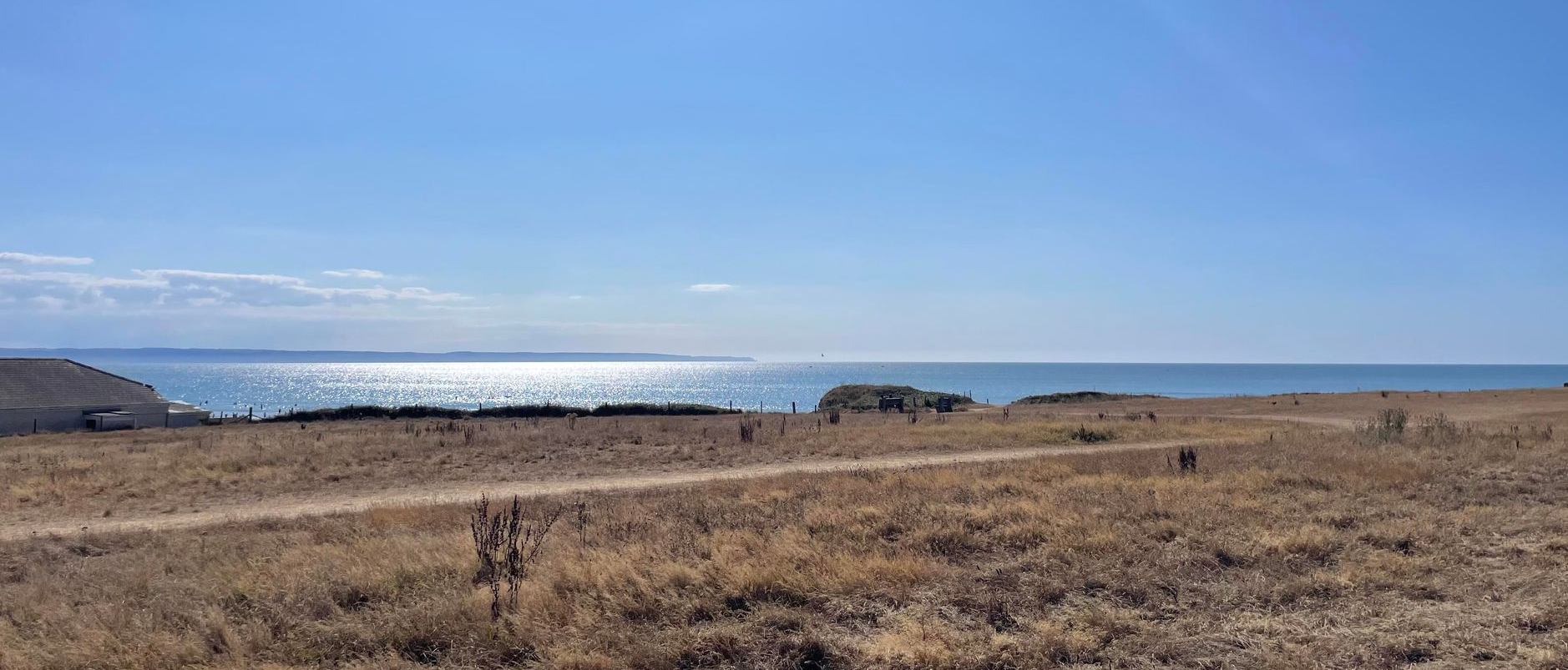
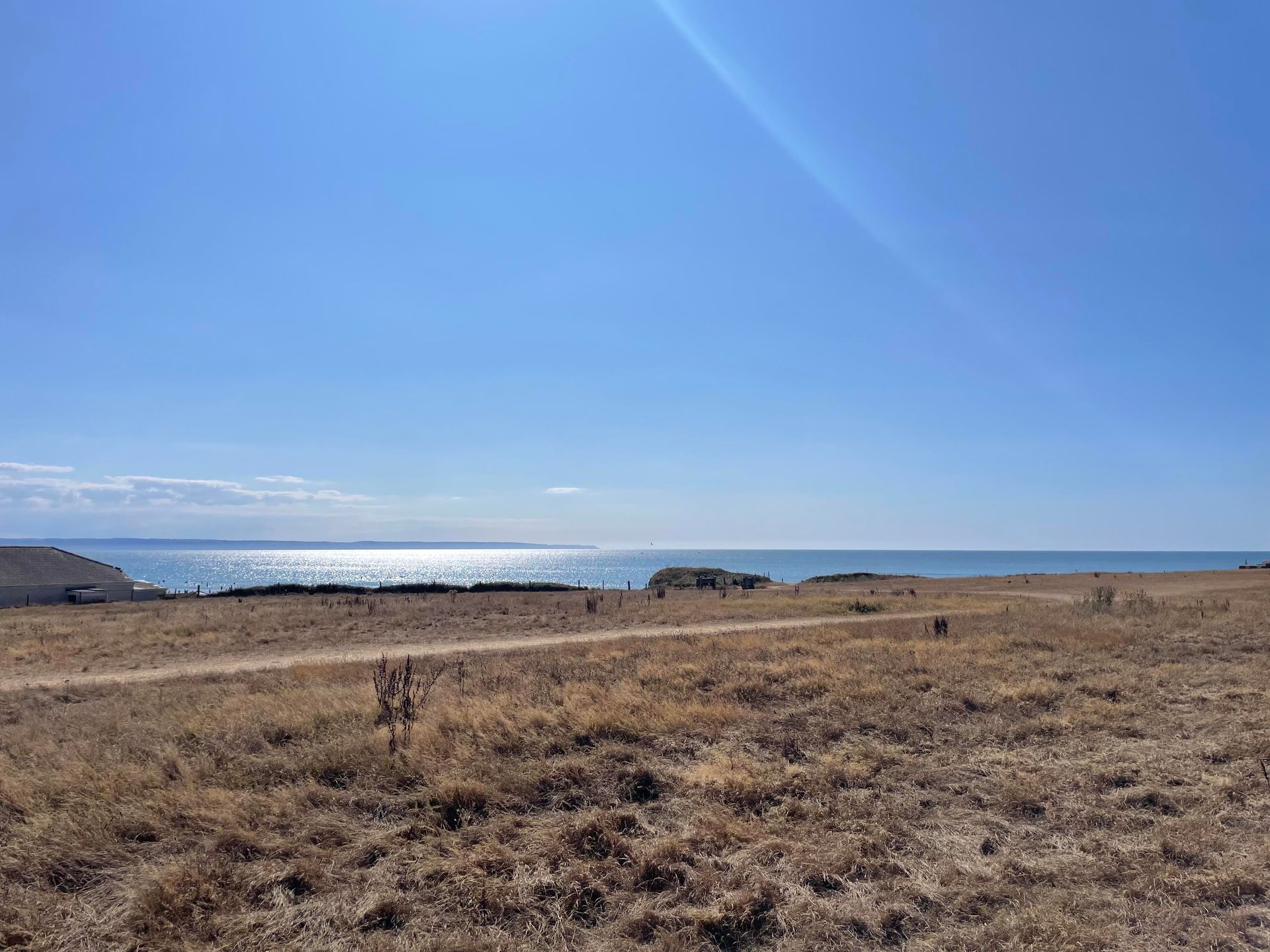
There’s a subtle shift at this time of year. More light, more time outside, and small changes that are easy to miss if we’re moving quickly, but grounding when we slow down enough to notice them. It’s also a moment where conversations around stress, creativity and the environment come into focus—different themes on the surface, but closely connected in how they shape our everyday experience.


Care isn’t always something visible or deliberate. Much of it happens quietly, through the routines we return to and the environments we move through each day. Creative practices often sit here—not as output, but as process. Drawing, writing, making or simply noticing can help us reset and regulate. The same is true of time spent outside; it doesn’t need to be significant to be meaningful. A short walk, fresh air, a shift in light—these small interactions have a cumulative effect on how we feel.


Care is also something we share. It shows up in how we relate to one another, often in informal and unstructured ways—a conversation, a gesture, a shared activity that creates space for connection without pressure. Creativity can play an important role here, offering accessible ways for people to come together, soften boundaries and feel part of something, even briefly. These moments are often simple, but they rely on a sense of openness and ease.

Across all of this, one thing becomes clear: care needs space. Space to pause, to connect, and to engage with something beyond the immediate demands of daily life. And yet, these kinds of spaces aren’t always easy to access or evenly available. When they are present—whether through access to nature, shared environments, or opportunities for creative engagement—they tend to support wellbeing in ways that are consistent and long-term, rather than reactive.


This is where our thinking continues to sit. Not in defining care as an abstract idea, but in considering how it can be more naturally supported through the places and structures that shape everyday life. When care is easier to access, it becomes part of a rhythm rather than an effort—and from there, it begins to influence how we feel, how we connect, and how we look after the world around us.
29 July 2026
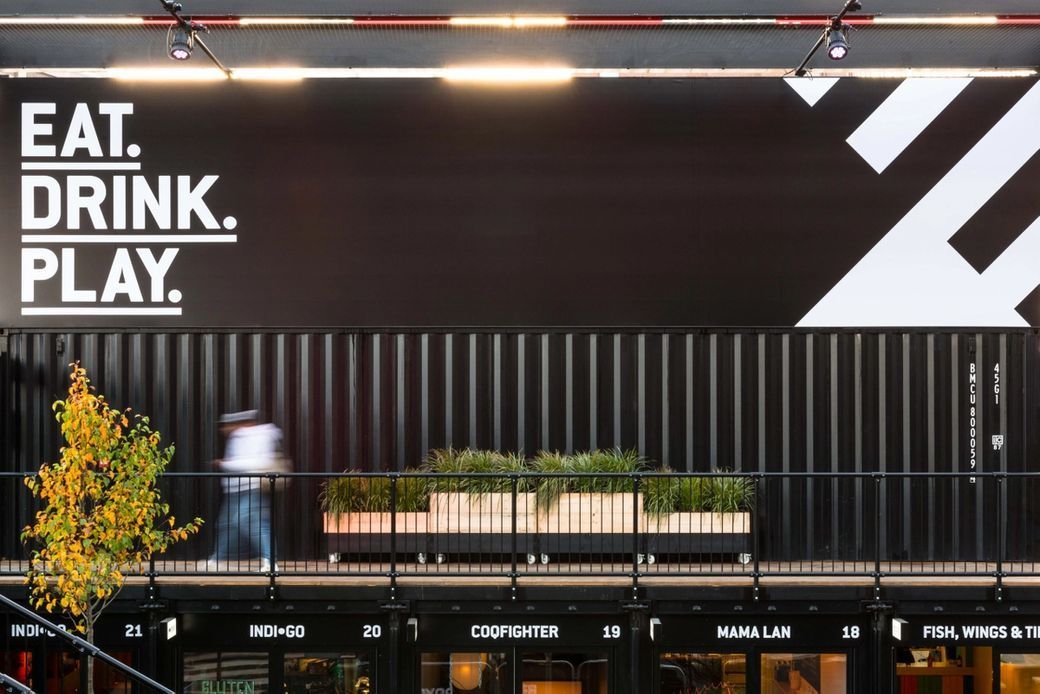
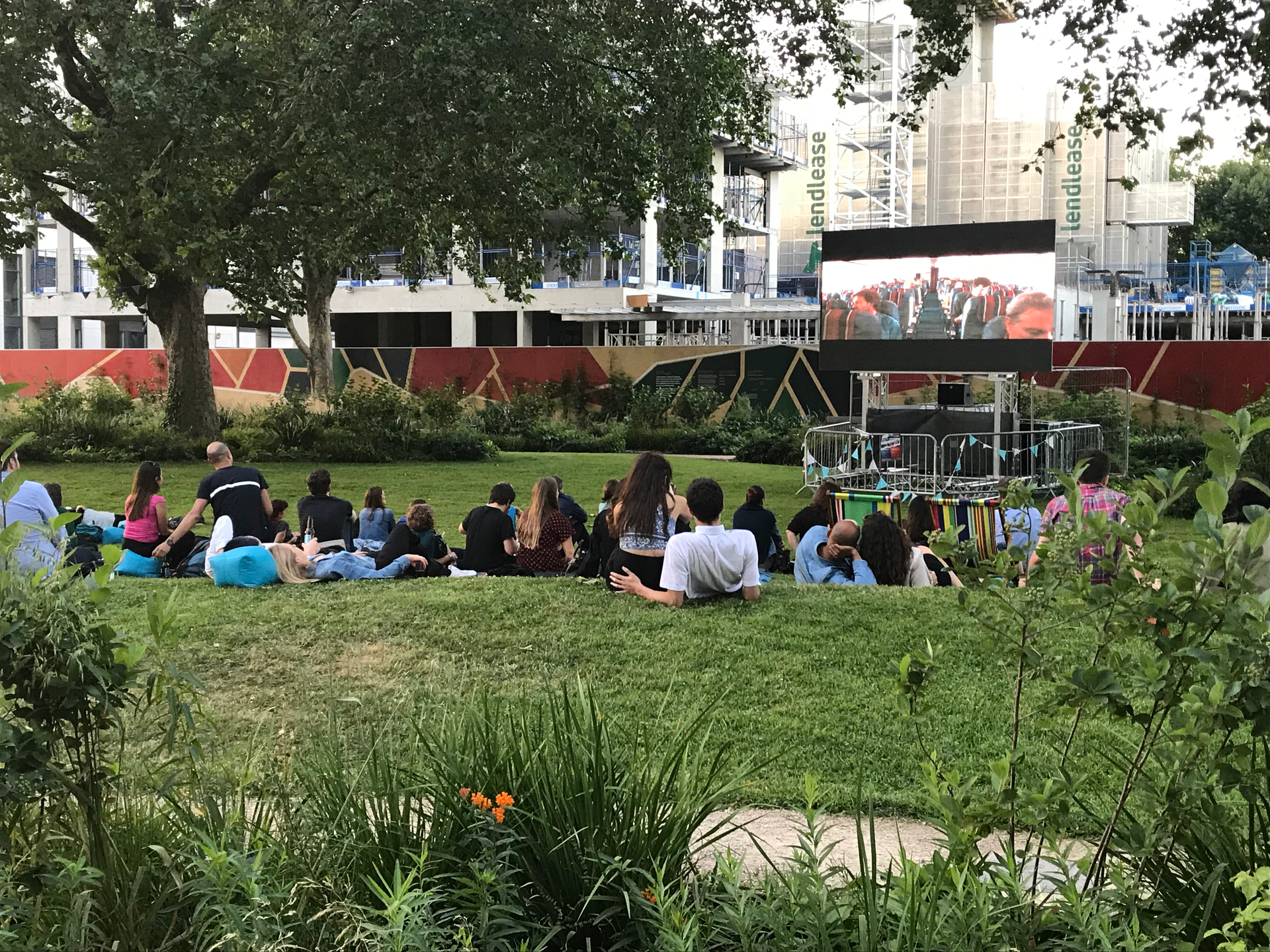
Play as method, play as place... Play has been the word we keep coming back to over the last few months. It's surfaced in projects, in conversations with clients, in strategic notes and in end-of-day debriefs — a small, deceptively simple word doing a surprising amount of work. Part of why it keeps working so hard is that it means something different to everyone. For one person, play is a football game win. For another, it's a quiet hour with a book, a festival crowd, a pop-up exhibition in a public square, a five-year-old and a stick. It stretches across ages, disciplines and moods. Not just play in the obvious sense — the infrastructure of it, in playgrounds, sports courts, concert halls and public realm. And not only play in culture — the festivals, gigs, community moments and shared experiences that give places their identity. But also play as a method — the space and time to experiment, make mistakes, try things without needing to know where they'll land. And, quietly underneath all of it, play as a way of exploring and discovering — new ideas, new places, new relationships. Getting to know a city we've never visited. Getting to know a person we've just met. Trying an approach at work we haven't tried before. Exploring, making, testing, imagining, discovering. Ingrained human needs, all of them. And all of them, in the end, come back to that one simple word. There's a growing body of thinking that treats play as serious infrastructure. Arup's Urban Play Framework, produced with the LEGO Foundation and the Royal Town Planning Institute, argues that play should be considered alongside transport, energy and housing as something cities plan for, not around. The playable cities movement — public art, interactive interventions, temporary experiments — has been quietly reshaping how councils and developers think about the public realm; think Playful Anywhere's roving Playbox in Leeds, or the interactive commissions of the Playable City network in Bristol. And in cultural strategy, the phrase we hear most often now is test and iterate: try a pop-up before committing to a permanent programme, prototype a space before building it out. That's play too. Just in corporate speak:)  We see it particularly in our own work. The best cultural strategies we've been part of have all had a playful stage — early conversations where nothing is fixed, where a client is willing to sit with several possible futures before choosing one. The best public art commissions carry that instinct all the way through delivery: room for the artist to respond to the site, room for the audience to bring their own reading. Places don't work unless people can play in them. Places don't feel alive unless something is being tried. This month — with Wimbledon just ending, festival season everywhere, and the year at its most sociable — play feels particularly present. A tennis rally is play. A festival crowd is play. A board game after dinner is play. Travelling somewhere new is play. Each is a version of the same underlying instinct: to experiment, to move, to see what happens when we do something together. Work hard. Play harder. But maybe, mostly, remember that the two aren't as separate as we think!
25 June 2026
The original universal language...
by Lucy Bawden 29 May 2026
A Common Language
by Lucy Bawden 18 March 2026
Designing for Culture, Nature and Wellbeing.
by Lucy Bawden 10 February 2026
Structure often carries a reputation for being restrictive —
by Lucy Bawden 21 January 2026
At the start of the year, there is often an expectation to reset —
by Lucy Bawden 19 December 2025
As the year draws to a close, attention often turns to what has been achieved.