What this year reinforced about culture, place, and practice

As the year draws to a close, attention often turns to what has been achieved.

 But in our experience, it is just as useful to reflect on what has been reinforced.


Working across culture, place, and delivery brings the same lessons back into view. They tend to surface quietly and repeatedly, often through collaboration rather than celebration, and most clearly in the more complex moments of a project.


One of the strongest reminders this year has been that culture works best when it is part of the fabric of a project, shaped through partnership rather than added at the end. When cultural thinking is involved early, held consistently, and shared across teams, it creates connection almost without effort.


Another recurring theme has been the importance of translation. Artists, property teams, local authorities, and funders are often working towards the same outcome, but from different perspectives. The work that feels most successful is usually the work where time is taken to build understanding, align expectations, and support collaboration across those differences.


This year has also reinforced that not everything meaningful is immediately visible. Some of the most valuable moments are quiet ones: a conversation that builds trust between partners, a framework that gives an artist confidence, or a collective decision to pause rather than push.


As the year closes, we are carrying forward a renewed respect for clarity over complexity, relationships over rhetoric, and long-term value over short-term visibility. We are also letting go of the idea that good cultural work needs to be constantly explained or justified. Often, it simply needs to be supported well, shared openly, and allowed to unfold.
29 July 2026
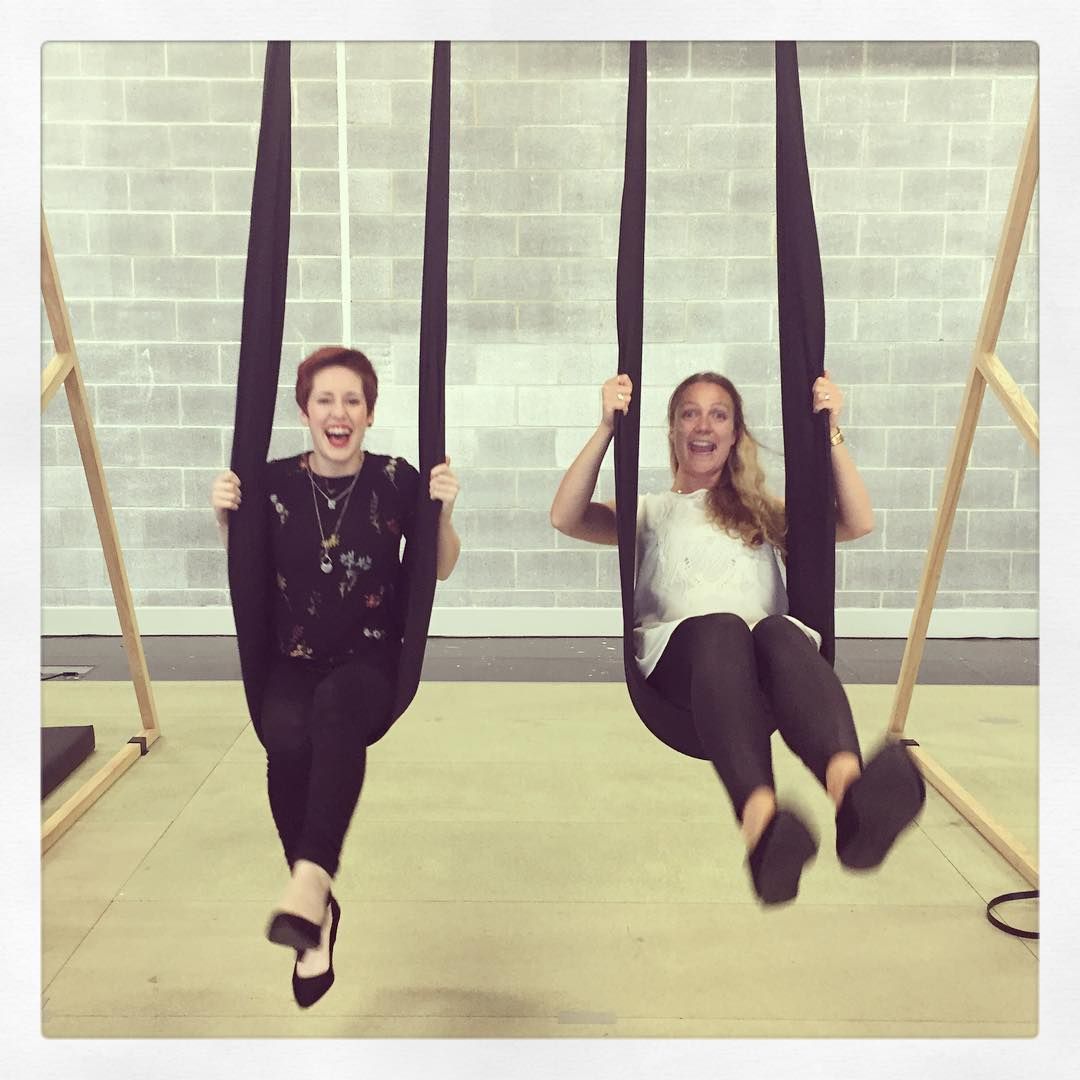
Play as method, play as place... Play has been the word we keep coming back to over the last few months. It's surfaced in projects, in conversations with clients, in strategic notes and in end-of-day debriefs — a small, deceptively simple word doing a surprising amount of work. Part of why it keeps working so hard is that it means something different to everyone. For one person, play is a football game win. For another, it's a quiet hour with a book, a festival crowd, a pop-up exhibition in a public square, a five-year-old and a stick. It stretches across ages, disciplines and moods. Not just play in the obvious sense — the infrastructure of it, in playgrounds, sports courts, concert halls and public realm. And not only play in culture — the festivals, gigs, community moments and shared experiences that give places their identity. But also play as a method — the space and time to experiment, make mistakes, try things without needing to know where they'll land. And, quietly underneath all of it, play as a way of exploring and discovering — new ideas, new places, new relationships. Getting to know a city we've never visited. Getting to know a person we've just met. Trying an approach at work we haven't tried before. Exploring, making, testing, imagining, discovering. Ingrained human needs, all of them. And all of them, in the end, come back to that one simple word. There's a growing body of thinking that treats play as serious infrastructure. Arup's Urban Play Framework, produced with the LEGO Foundation and the Royal Town Planning Institute, argues that play should be considered alongside transport, energy and housing as something cities plan for, not around. The playable cities movement — public art, interactive interventions, temporary experiments — has been quietly reshaping how councils and developers think about the public realm; think Playful Anywhere's roving Playbox in Leeds, or the interactive commissions of the Playable City network in Bristol. And in cultural strategy, the phrase we hear most often now is test and iterate: try a pop-up before committing to a permanent programme, prototype a space before building it out. That's play too. Just in corporate speak:)  We see it particularly in our own work. The best cultural strategies we've been part of have all had a playful stage — early conversations where nothing is fixed, where a client is willing to sit with several possible futures before choosing one. The best public art commissions carry that instinct all the way through delivery: room for the artist to respond to the site, room for the audience to bring their own reading. Places don't work unless people can play in them. Places don't feel alive unless something is being tried. This month — with Wimbledon just ending, festival season everywhere, and the year at its most sociable — play feels particularly present. A tennis rally is play. A festival crowd is play. A board game after dinner is play. Travelling somewhere new is play. Each is a version of the same underlying instinct: to experiment, to move, to see what happens when we do something together. Work hard. Play harder. But maybe, mostly, remember that the two aren't as separate as we think!
25 June 2026
The original universal language...
by Lucy Bawden 29 May 2026
A Common Language
27 April 2026
...Of ourselves, each other and the world around us.
by Lucy Bawden 18 March 2026
Designing for Culture, Nature and Wellbeing.
by Lucy Bawden 10 February 2026
Structure often carries a reputation for being restrictive —
by Lucy Bawden 21 January 2026
At the start of the year, there is often an expectation to reset —