Let Water be Water
The original universal language...
Water has always been more than a resource. It has shaped where cities are built and how they grow, drawn communities to its edges, and inspired creatives for millennia. Around 60% of the human body is water; 71% of the planet's surface too. And yet only 0.5% of it is freshwater accessible to us, and the UN estimates that around four
billion people — close to half the world's population — experience severe water scarcity for at least one month every year. The most universal substance we share is also one of the most unequally distributed.
Water is the original universal language. Settlements followed rivers. Half of the world's largest cities sit on coasts. In 2017, New Zealand's Whanganui River was recognised as a legal person — the first in the world — codifying what Māori communities have always known: I am the river and the river is me.
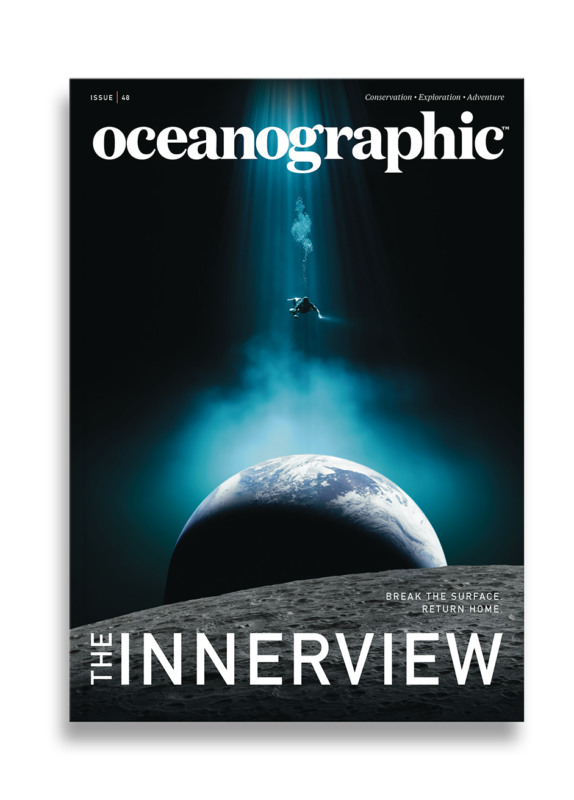
This month, World Ocean Day, Climate Action Week and Oceanographic's newly launched Innerview have pulled attention back to the scale of what water asks of us. The recent heatwave has done the same closer to home: lower reservoirs, hosepipe bans, harder conversations about flood defences and drought.
A conversation with engineering colleagues has stuck with us. The shift in their world is toward what they describe as letting water be water — designing with it rather than against it. Sponge cities, restored floodplains, daylighted streams (like London's Quaggy and Effra brought back up into the light). Less concrete, more give. For those of us in public art, cultural strategy and the built environment, it's a shift full of opportunity.
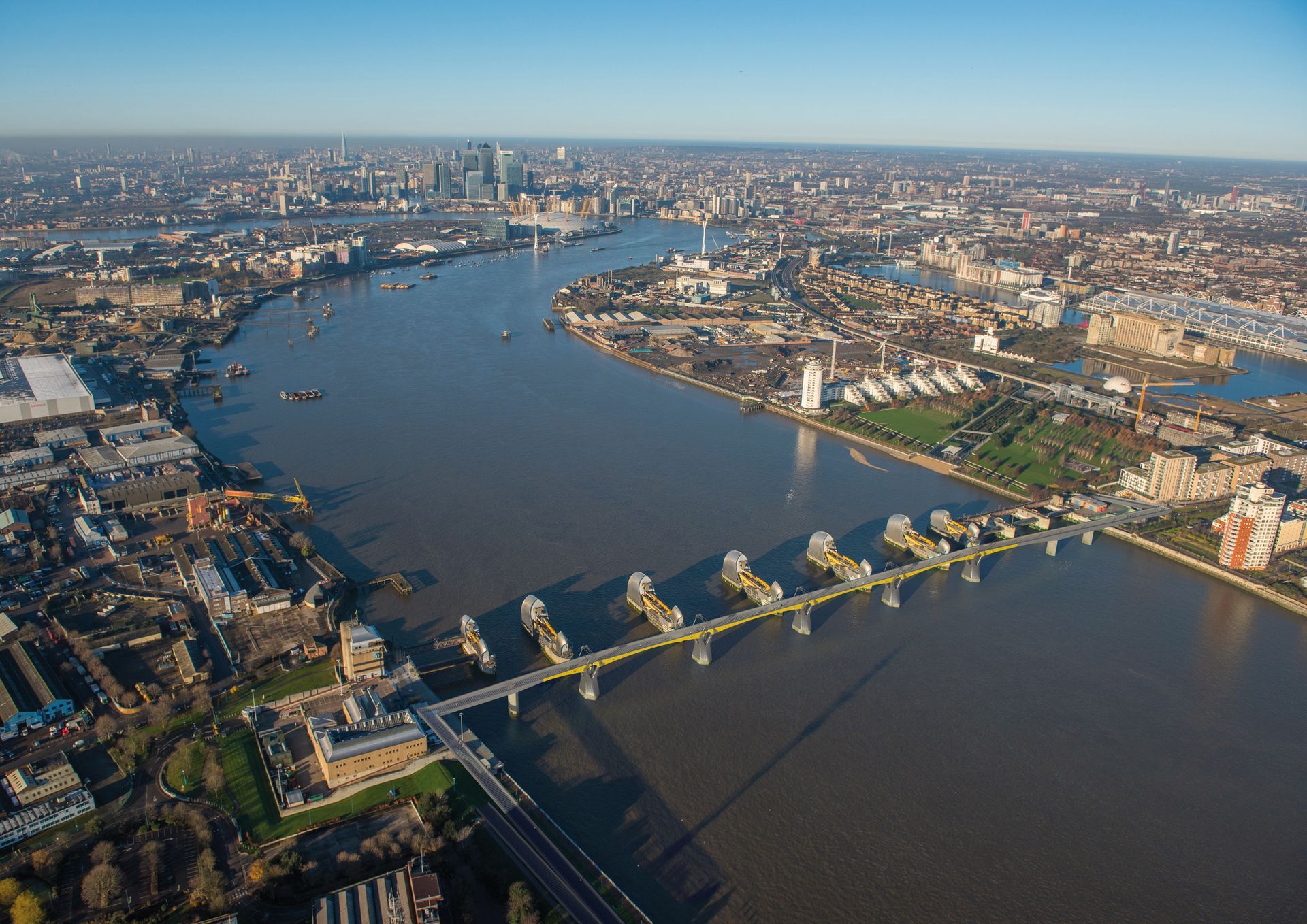
That opportunity is shaping a lot of our year. We've been talking with the Joint Thames Partnership about how London communities can be brought closer to the river through cultural programming, alongside the brilliant work already delivered by the Thames Festival Trust. And as members of the Ocean Rising Alliance — a global network of creatives, scientists and cultural organisations making the ocean central to how we tell the climate story — we're increasingly conscious that ocean health begins far upstream. What happens in a London street drain matters to a reef. Cities and urban communities need to feel connected to water they can't see, and to seas they may rarely visit.
The data can be numbing. The scale is daunting. That's where creatives come in — translating hard information into something people can walk through, take part in, and carry home. Chanel's new 'cruise' collection, Waterlines art exhibition, Choked 2.0 dance performance, The Innerview magazine, the Rivers Trust and WaterAid... Different disciplines, the same instinct: making water something we can feel.